🦔
Hedgehogs & small mammals
Warmth, nutrition and patient support for the smallest casualties.
We care for injured, abandoned and orphaned native wildlife — giving each animal the time, treatment and quiet road back to the wild.
Mansfield Wildlife Rescue is a registered charity supporting native wildlife across Nottinghamshire, Derbyshire, South Yorkshire and Lincolnshire.
From the first careful handover to the moment an animal returns to suitable habitat, our work is practical, compassionate and grounded in welfare.
Figures from the charity’s 2024–25 trustees’ report.
Our caseload changes with the seasons. The aim stays the same: stabilise, rehabilitate and release whenever welfare allows.
Warmth, nutrition and patient support for the smallest casualties.
Quiet recovery spaces and careful rehabilitation for native birds.
Practical care for larger wildlife, with release and habitat in mind.
These first-aid steps are for the public while you find a suitable rescue. They are designed to keep the animal safe, reduce stress and get the right help moving quickly.
Never handle a deer, badger, fox, swan, bird of prey or bat with bare hands. Phone for advice instead.
If it is safe to lift, use a ventilated cardboard box lined with a towel. Keep it away from pets and children.
The wrong food, or water in the lungs, can be fatal. Wait for advice from a rescue before offering anything.
Ask whether the rescue can take this species today and whether they need you to bring it in. Many cannot collect.
Often, it has not been abandoned. Fledglings may spend days on the ground while parents feed them, and deer leave fawns alone for hours. Watch from a distance and phone for advice unless it is injured or in immediate danger.
Browse the animal-by-animal advice below → for first steps, then call the rescue on 01623 810625 to check what help is available today.
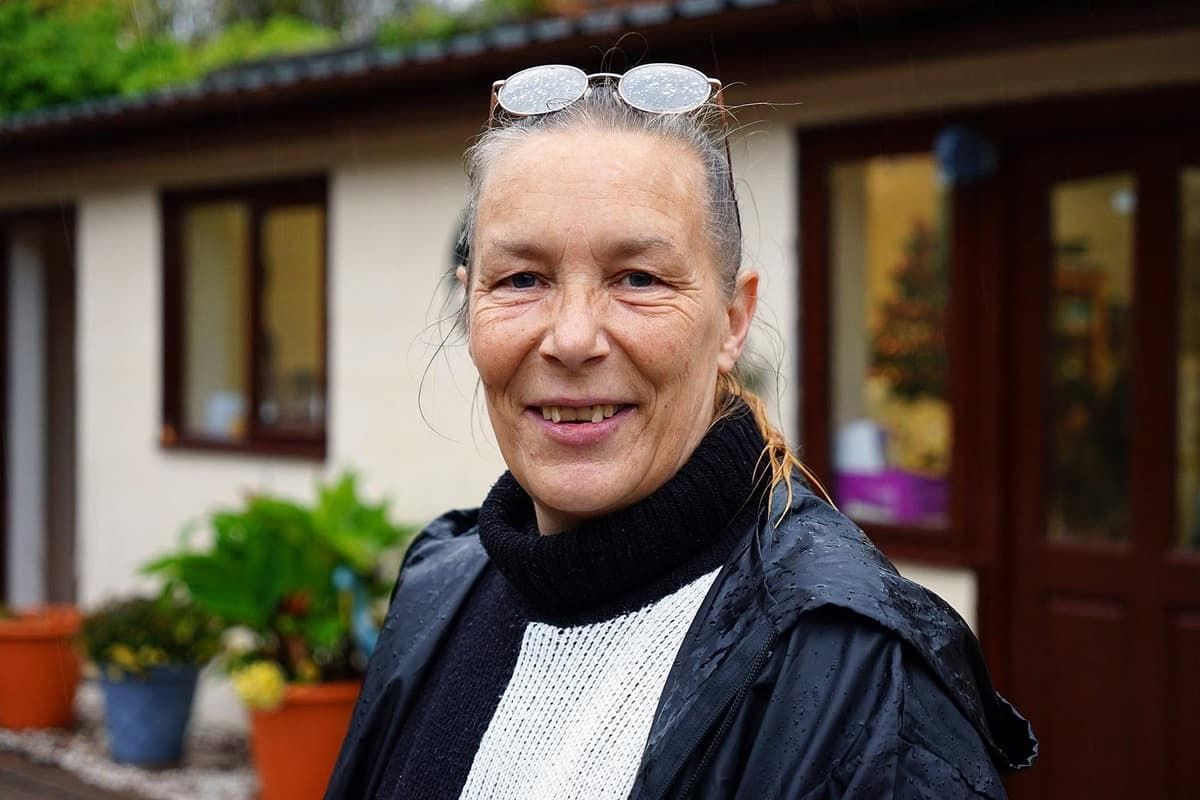
Cheryl’s journey began back in 1988, caring for a variety of birds — with a particular passion for parrots. For 18 years it remained a beloved hobby, until friends and family started bringing injured wild birds to her and it grew from there. When she became a full-time carer for her disabled husband, she was able to dedicate more time to the work, and in 2019 she officially registered Mansfield Wildlife Rescue as a charity.
After a devastating fire in 2022, the rescue moved to Pleasley Vale. Cheryl continues to lead the charity as its founder, manager and chair — working with trustees, volunteers and supporters to give wildlife the best possible route back to the wild. She still works closely with parrots and alongside other brilliant organisations.
A growing centre, a long-term future and a community pulling together to keep local wildlife safe.
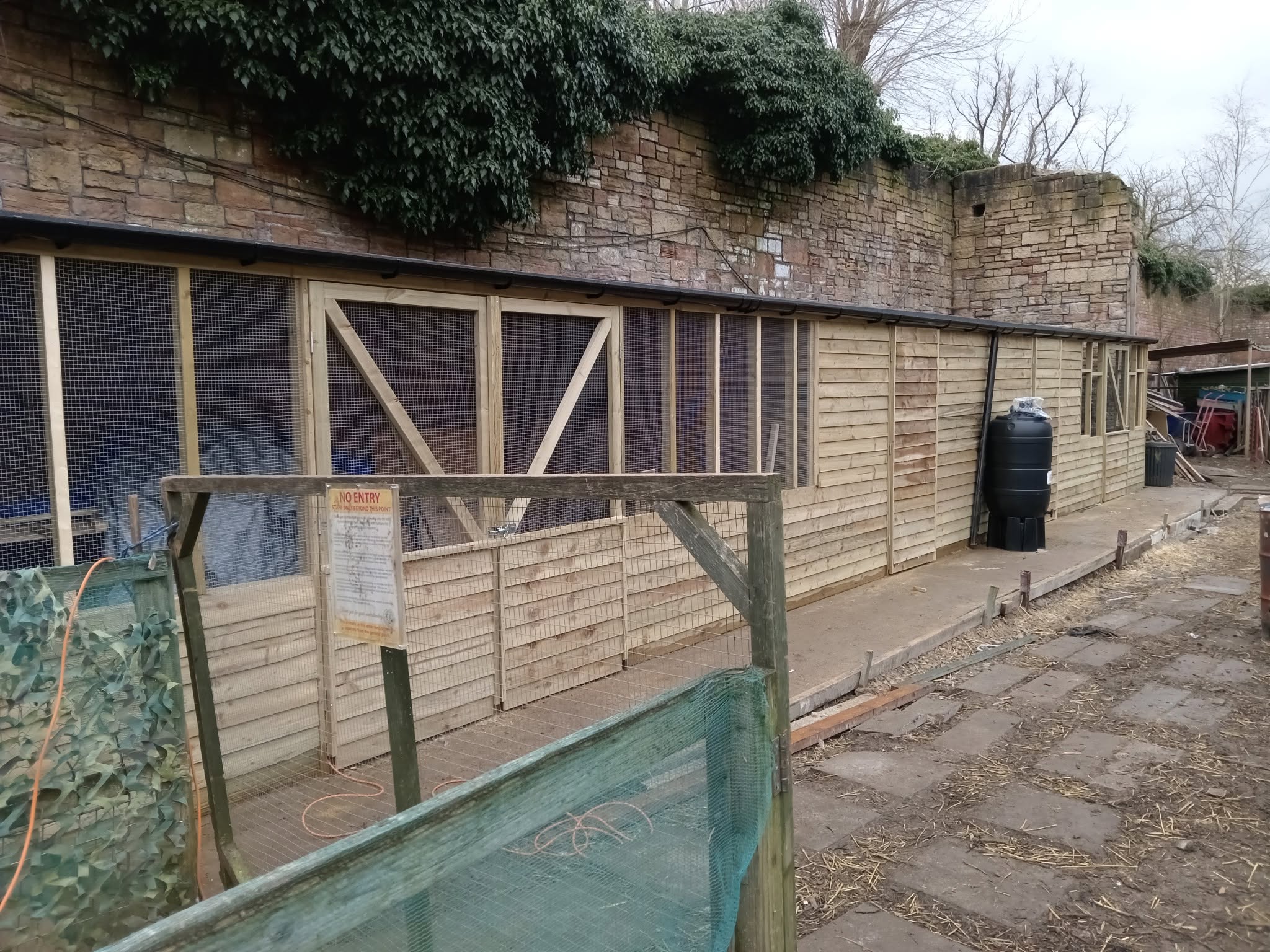
After a huge community fundraising effort, Mansfield Wildlife Rescue has raised enough to secure a 99-year lease at Pleasley Vale — protecting the centre’s home and the animals who depend on it.
Open on site, this volunteer-run café welcomes visitors with homemade food and a chance to learn more about the rescue. Every penny raised helps cover the day-to-day cost of caring for wildlife.
Open Tuesday–Sunday, 10:30am–4:30pm. Closed Mondays.
In the charity’s 2024–25 report, around three quarters of admissions were successfully rehabilitated and released back into the wild — even as admissions rose by about 30%.
Your support helps provide food, medicine, veterinary care and safe spaces for the animals at Mansfield Wildlife Rescue.
Transfer directly to the rescue’s Lloyd’s Bank account.
Use this email address when sending a donation through PayPal.
Please make cheques payable to:
Contact the rescue if you need to arrange delivery.
Useful supplies for the animals and the people caring for them. Please call before bringing donations to the centre.
Please call before travelling with an animal so the team can confirm the right handover and available space.
Use Google Maps or ///typically.sniff.wells to find us. NG19 8RN is the nearest postcode: if you approach from Mansfield Woodhouse, it may take you to a row of cottages just below the rescue.
Dogs are welcome but must stay on a lead at all times in the rescue grounds because animals roam freely.
Get directions ↗Use these quick notes while you contact a suitable rescue. Keep handling to the minimum, never put yourself at risk and always phone before travelling.
A hedgehog out in daylight is usually in trouble. Never give cow’s milk, bread or mealworms — they can cause fatal illness. If safe, keep it warm, dark and quiet while you ring for advice.
A fully feathered youngster hopping on the ground is usually being cared for by nearby parents. A bird caught by a cat needs antibiotics quickly, even without a visible wound. Do not give food, water or bread.
Raptors can grip through gloves, tendons and bone. Do not handle one bare-handed and keep capture stress to an absolute minimum. Ring a specialist rather than trying to hold it down.
Swans and geese may need a coat over the head; gulls and herons can strike at the eyes. If several wild birds are dead or visibly sick together, do not touch them — report suspected bird flu.
Never touch a bat with bare hands. Ring the Bat Helpline first so a trained carer can be found. If you are bitten or scratched, wash the wound and contact your GP or NHS 111 the same day.
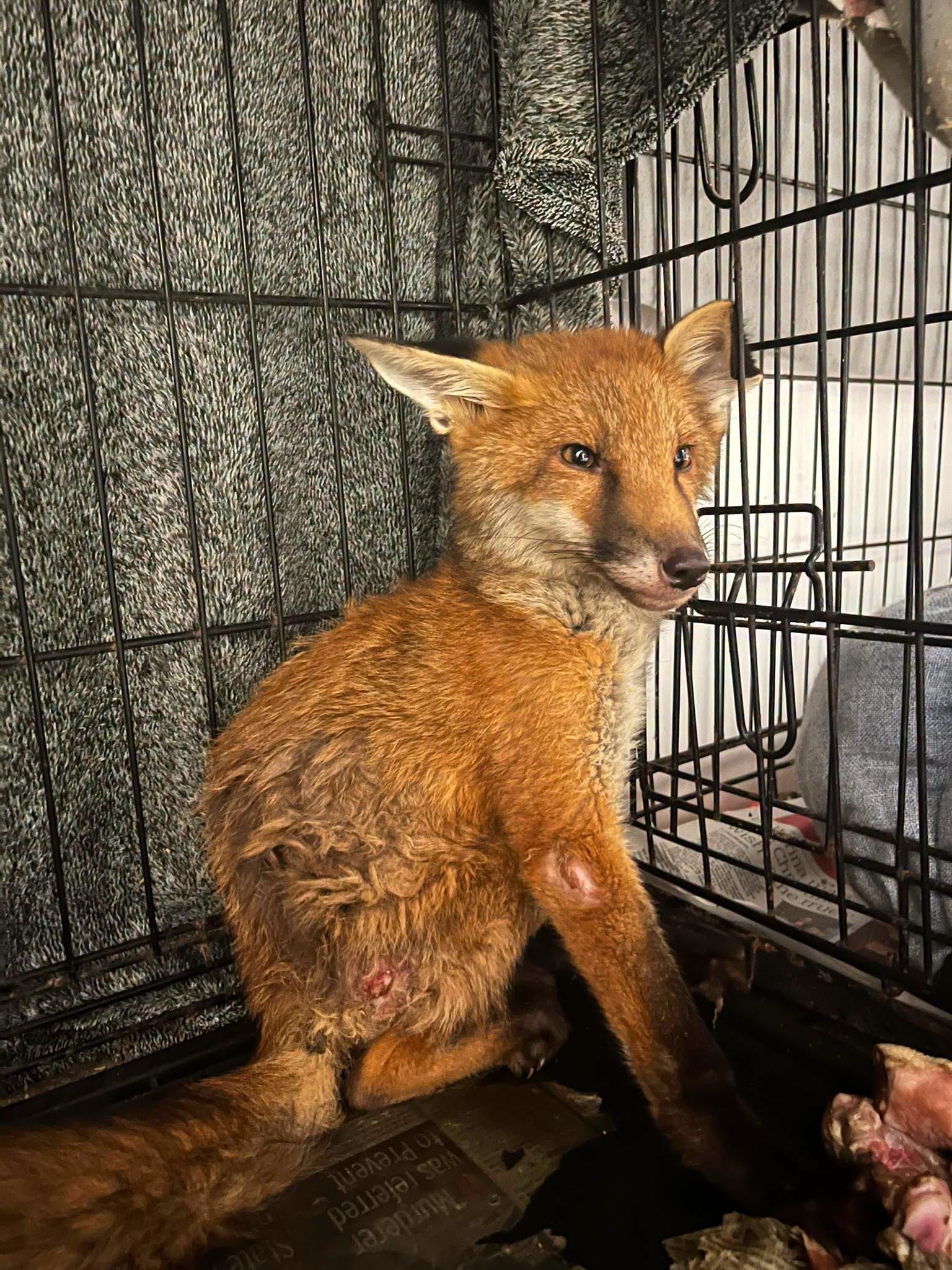
A conscious adult fox will bite hard. Do not try to pick up an active fox — it needs a trained responder with the right equipment, such as a grasper or crush cage. Keep people and pets back.
A badger can crush bone through a glove. Contain the scene, not the badger. Active adults need trained help because ordinary restraint is not safe.
Warmth is the priority for small mammals. If it may be a red squirrel, seek a specialist urgently. Grey squirrel law is complicated: ask a rescue or vet before deciding what happens next.
Do not load an injured deer into a car, boot or footwell, however calm it looks. Hooves and antlers in a moving vehicle can cause fatal injuries, and capture stress can kill deer.
The adder is the UK’s venomous snake, with a dark zig-zag along its back. Do not handle it. If one is caught in netting, call an expert rather than cutting it free; an adder bite is a 999 emergency.
If you cannot identify the animal, keep your distance, prevent pets and children approaching, and call the rescue before moving it. A photo from a safe distance can help a rescuer advise you.
This guidance is general first aid, not veterinary advice. In doubt, ring a vet or a suitable specialist rescue.